How to Choose the Right Hair Color for Your Skin Tone
The right hair color harmonizes with your skin’s undertone — not its surface color, but the quiet warm or cool cast underneath. Warm undertones glow next to golden, caramel, and copper shades; cool undertones sharpen next to ash, espresso, and platinum; neutral skin gets to borrow from both. And no matter your undertone, staying within two to three levels of your natural depth is the safest way to look brighter instead of washed out.
That’s the whole rule in three sentences. Here’s how to actually apply it to your own face.
How do I know my undertone?
Your undertone is the constant underneath your skin — it doesn’t change when you tan, break out, or flush. It’s also separate from how fair or deep your skin is: a deep complexion can be cool, and porcelain skin can be warm. Three quick tests, about a minute total:
- Vein check. Look at the inside of your wrist in daylight. Blue or purple veins lean cool. Green veins lean warm. If you genuinely can’t decide, you’re likely neutral.
- Jewelry test. Hold silver against one hand, gold against the other. The metal that makes your skin look healthier — not the one you happen to prefer — points to your undertone: silver for cool, gold for warm.
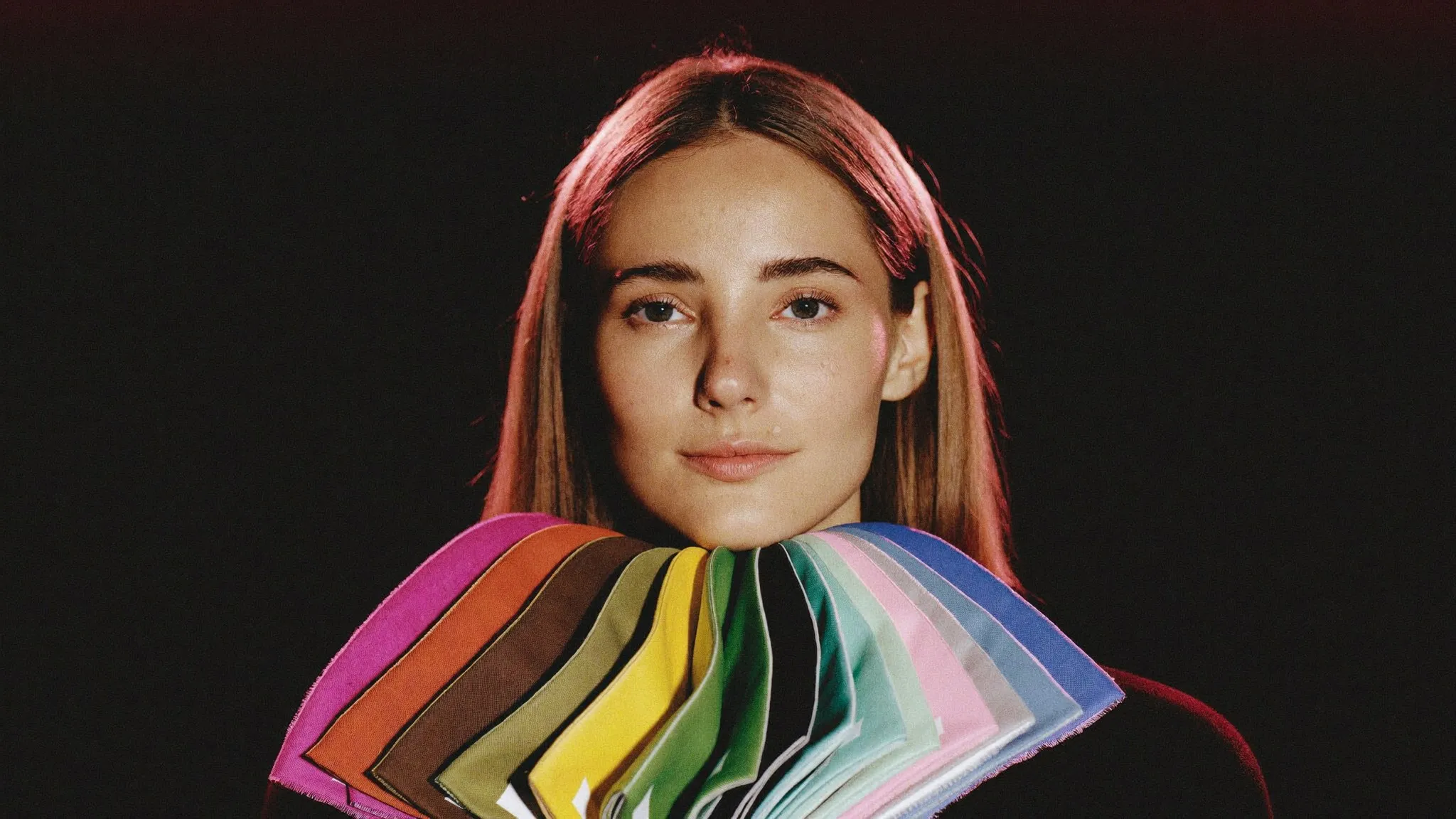
- White-shirt test. Hold a pure-white piece of fabric up to your bare, makeup-free face. Cool skin looks pink or rosy against it; warm skin looks yellow or peachy; olive skin can look faintly green.
One test can mislead you, so run all three and go with the majority. For the full walkthrough — including how lighting and sun exposure trip people up — read our guide on how to find your undertone.
The best hair colors for warm undertones
Warm skin has a golden, peach, or yellow cast, and it comes alive next to color with the same heat in it. Look for shades that seem to catch light:
- Honey blonde — soft, buttery, and forgiving on golden skin.
- Golden brown — a warm medium brown that reads rich, not flat.
- Copper and auburn — the most flattering reds for warm skin, from cinnamon to deep penny.
- Caramel balayage — warm ribbons through a brown base, the low-commitment way to add heat.
What to sidestep: very ashy or blue-based colors. A cool platinum or a smoky “mushroom” brown can leave warm skin looking sallow, as if the color is pulling the life out of your face.
Preview these shades on your selfie →
The best hair colors for cool undertones
Cool skin has a pink, red, or bluish cast, and it looks cleanest next to shades with no visible gold. Here, contrast is what flatters you:
- Ash blonde — cool, sandy, and free of brassiness.
- Mushroom brown — a gray-toned light-to-medium brown that’s been a salon staple for years.
- Espresso — a deep, near-black brown that makes cool skin look luminous.
- Burgundy and cool red — berry-based reds rather than orange-based, if you want drama.
What to sidestep: heavy gold and copper. Warm honey or bright copper can clash with pink skin and, in some cases, make redness look more obvious.
Preview these shades on your selfie →
What about olive and neutral skin?
Olive skin deserves its own conversation, because it behaves differently from both warm and cool. It carries a subtle green or gray cast over a warm base, and that green is the thing to respect. Go too warm and gold, and your hair and skin start competing — both look muddy. Go too ashy and cool, and the green in your complexion gets emphasized until you look tired.
The sweet spot for olive skin sits in the middle: beige-blonde, chestnut brown, and cool caramel (caramel with the orange dialed down). These settle the green instead of fighting it.
Truly neutral skin — no strong pull either way — has the easiest job. It wears warm and cool shades comfortably, so the deciding factor becomes contrast and personal taste rather than a hard rule. When in doubt, neutral skin tends to look most balanced in soft, slightly warm browns and blondes.
Preview these shades on your selfie →
Does my eye color matter?
A little, but it’s a secondary factor — undertone does most of the work. Where eye color earns its keep is in contrast. High-contrast coloring (dark eyes, fair skin) can carry bold, deep shades without looking severe. Lower-contrast coloring (light eyes, fair skin) is usually flattered by softer, closer-to-natural tones, because a very dark dye can overwhelm delicate features.
Use your eyes as a tiebreaker, not a starting point. If two shades both suit your undertone, pick the one that makes your eye color pop.
Your quick-match hair color chart
| Undertone | Shades that flatter | Shades that fight it |
|---|---|---|
| Warm | Honey blonde, golden brown, copper, caramel balayage | Ashy platinum, blue-black, smoky mushroom brown |
| Cool | Ash blonde, mushroom brown, espresso, burgundy | Warm honey, bright copper, orange-red |
| Neutral | Soft warm browns and blondes, most balayage | Very few — only extreme brass or extreme ash |
| Olive | Beige-blonde, chestnut, cool caramel | Very warm gold, very ashy platinum |
How dramatic can I go?
The honest answer depends less on your face than on your upkeep tolerance. A shift of one to two levels — a little lighter or darker than your natural color — looks intentional and grows out gracefully. Push past three or four levels and two things happen: maintenance climbs, and the color is more likely to argue with your skin.
Going lighter is where the real work lives. Lifting dark hair means lightening (often bleach), which brings out warm brassy tones you’ll need toning to control, visible root regrowth every four to six weeks, and some damage that worsens the more levels you jump. Going darker is gentler on the hair but can read harsh if you overshoot — a jet-black dye on fair, cool skin can look stark rather than glossy.
If you want the look of change without the commitment, ask for face-framing pieces or partial highlights instead of an all-over color. They shift how bright your face reads while leaving most of your natural depth — and most of your maintenance schedule — alone.
One more thing that quietly matters: skin cools and loses some warmth as you age. A gold shade that suited you at 25 can feel heavy at 45, which is why many people drift toward softer, cooler, or lighter versions of their color over time. The old shade wasn’t wrong — your canvas changed.
How do I preview a hair color before committing?
Never trust the box photo or a stock swatch — those are shot on someone else’s skin. Preview the color against yours instead:
- Strand test. Have your colorist (or the box kit) color a hidden section first. It shows how your specific hair takes the dye, which matters most if you’ve colored before.
- Wigs and clip-ins. A cheap wig in your target shade tells you more in five minutes than an hour of scrolling.
- AI try-on. The fastest option is to render the shade on your actual selfie. Get The Look drops any hair color onto your own photo — honey, ash, copper, espresso — so you see it against your real skin and undertone before you sit in the chair.
While you’re at it, take the guesswork out of the bigger picture. Working out your season with our guide to seasonal color analysis at home tells you which shades flatter you across hair, makeup, and clothes, not hair alone. And if you’re rethinking the cut along with the color, our roundup of trending haircuts for women in 2026 pairs naturally with a fresh shade.
Before you book: a quick checklist
Run through this before you commit:
- Confirm your undertone with the vein, jewelry, and white-shirt tests — don’t guess.
- Match the shade to that undertone using the chart above.
- Stay within two to three levels of your natural depth unless you’re ready for the upkeep.
- Preview it on your own face, by strand test, wig, or AI try-on.
- Be honest about maintenance — root growth, toning, and damage are the real cost of going dramatically lighter.
Get those five right and you’ll leave the salon with a color that looks like it was always yours.
FAQs
- Should I go warmer or cooler than my natural hair color?
- Follow your skin's undertone, not your natural hair. Warm undertones look best warmer than neutral (golden, caramel, copper), and cool undertones look best cooler (ash, espresso). Staying within two to three levels of your natural depth keeps the change flattering and easy to maintain.
- What hair color makes you look younger?
- Softer, slightly lighter, and warmer-than-severe shades tend to look youthful because they add warmth back to skin that cools with age. Face-framing highlights and avoiding a single flat, very dark block of color also help. The most aging choice is usually a shade that clashes with your undertone, no matter how trendy it is.
- Can I dye dark hair without bleach?
- Yes, if you're going the same depth or darker, or adding a red or warm tone that doesn't require lifting. To go noticeably lighter, dark hair has to be lightened first, which means bleach or a high-lift color. Deposit-only and semi-permanent dyes refresh and tone dark hair without lightening it.
- How do I know if a hair color will suit me before dyeing?
- Match the shade to your undertone first, then preview it on yourself rather than on a box photo. A strand test, a cheap wig in the target shade, or an AI try-on that renders the color on your own selfie will all show you the real result. Previewing on your actual skin is the only reliable way to know.