Seasonal Color Analysis: How to Find Your Color Season From a Selfie
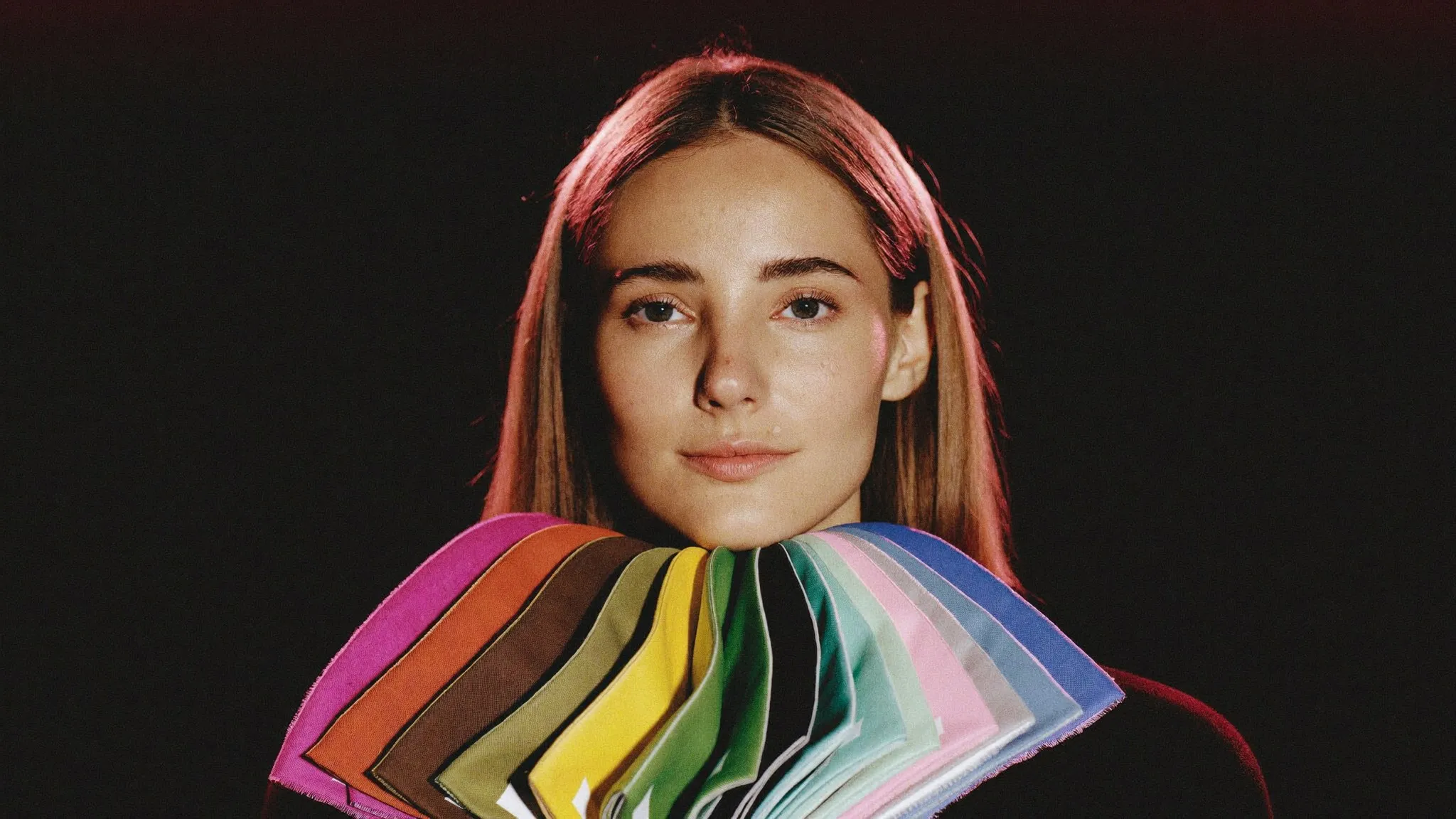
Seasonal color analysis sorts your natural coloring — your undertone, how light or deep your features are, and how bright or muted they look — into one of four seasons and twelve more specific sub-seasons. Each season comes with a palette of clothing, hair, and makeup colors that make you look awake and vibrant, along with the shades that wash you out. You can get a surprisingly accurate read at home from one clear selfie taken in natural daylight.
The system started as fashion theory in the 1980s and has come roaring back thanks to Korean color analysis studios and a steady stream of TikTok drapings. The appeal is simple: instead of guessing why one white tee makes you glow and another makes you look ill, you get a repeatable reason.
How does color analysis work?
Every reliable version of color analysis reads three things about your face. Get these three right and your season falls out almost automatically.
Undertone is whether your skin leans warm (golden, peachy, yellow) or cool (pink, red, blue). This is the single most important dimension, and it’s the one most people get wrong by confusing it with how tan they are. If you’re not sure which way you lean, start with how to find your undertone before you go any further — the rest of the process depends on it.
Value is how light or deep your overall coloring is, from pale hair and fair skin to deep hair and rich skin. A quick test: picture a black-and-white photo of yourself. If your hair, skin, and eyes all read as similar soft grays, you’re light. If there’s a strong dark-against-light contrast, you’re deep.
Chroma is how bright or muted your coloring is — whether your features look clear and saturated or soft and slightly grayed. Bright people can wear vivid, punchy color without being overpowered. Muted people look best in dusty, blended shades and can be swallowed by anything too loud.
Your season is just the combination of those three. Warm plus light plus bright leans Spring. Cool plus soft plus muted leans Summer. And so on.
What are the 12 color seasons?
The four seasons each split into three, which is where the well-known twelve come from. Each sub-season leans hardest into one of the three dimensions.
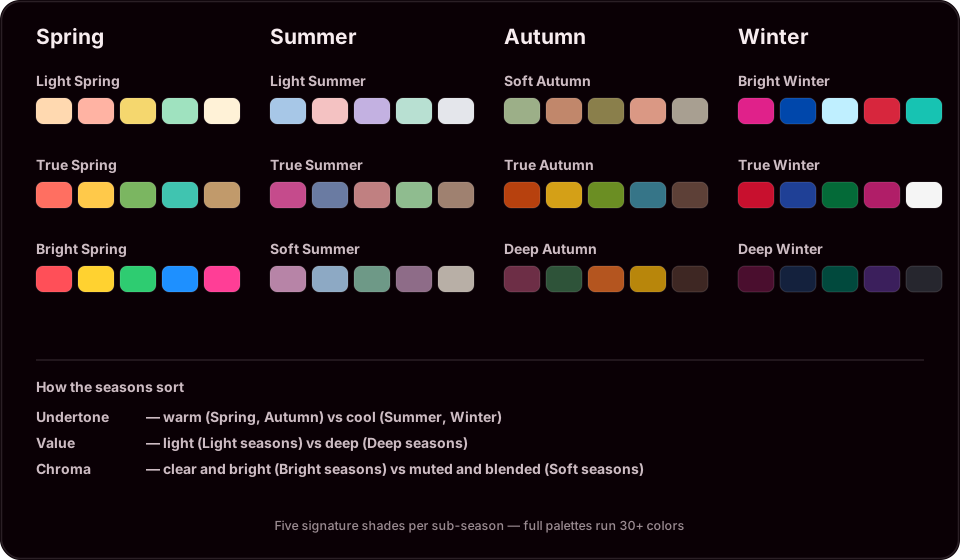
Springs are warm and bright. Light Spring is delicate and warm — fair skin, light golden hair, peach and coral. True Spring is the purest warm-bright, glowing in tomato red, warm turquoise, and grassy green. Bright Spring borrows contrast from winter, carrying clear, vivid warm colors.
Summers are cool and soft. Light Summer is gentle and cool with low contrast — soft blues, lilac, rose. True Summer is the coolest, at home in dusty blues, mauve, and soft burgundy. Soft Summer is the most muted of all, flattered by grayed sage, cocoa, and dusty rose.
Autumns are warm and muted. Soft Autumn blends warmth with softness — camel, sage, muted gold. True Autumn is the richest warm season, built for pumpkin, olive, rust, and forest green. Deep Autumn adds darkness, glowing in chocolate, brick, and deep teal.
Winters are cool and bright. Bright Winter is high-contrast and electric — true red, fuchsia, icy blue. True Winter is the coolest and clearest, made for jewel tones and stark black-and-white. Deep Winter pairs cool depth with drama, wearing espresso, plum, and pine.
What’s the difference between the four seasons?
If twelve feels like a lot, start with the four macro-seasons. Here’s how they stack up on the three dimensions, with the kind of natural coloring each one describes.
| Season | Undertone | Value | Chroma | Natural coloring |
|---|---|---|---|---|
| Spring | Warm | Light | Bright | Honeyed blondes and warm brunettes with peachy, golden skin and clear eyes |
| Summer | Cool | Light to medium | Muted | Ashy blondes and soft browns with rosy, cool skin and gentle contrast |
| Autumn | Warm | Medium to deep | Muted | Coppery reds and golden or chocolate browns with warm, rich skin |
| Winter | Cool | Deep | Bright | Deep brunettes and blue-blacks with cool skin and striking contrast |
Most people recognize themselves in one row immediately. If two feel possible, the tiebreaker is almost always undertone — figure that out first and the rest narrows fast.
How can I find my season at home?
You don’t need a studio to get a useful answer. Three low-tech tests get you most of the way.
The draping test. Gather clothing in obvious warm and cool versions of the same color — a mustard yellow and a lemon yellow, a blue-red and an orange-red, ivory and pure white. In front of a mirror by a window (never under yellow indoor bulbs), hold each up to your bare face one at a time. The right temperature makes your skin look even and lit up; the wrong one drags shadows under your eyes or turns your skin sallow or ruddy. Watch your face, not the fabric.
The jewelry check. Hold a gold necklace to your face, then a silver one. If gold makes your skin glow, you likely run warm; if silver looks cleaner and brighter, you likely run cool. If both look fine, you may be neutral, which nudges you toward the softer seasons.
The photo method. Take a few selfies in daylight near a window with no makeup and no filter, then compare yourself against palette images for each season. Photos catch what your eyes talk you out of in a live mirror.
Be honest about the limits. DIY drapings are swayed by your lighting, your monitor, and your own hopes about which season you want to be. Professional in-person analysis is the gold standard, but sessions typically run $200 to $500 and mean booking a studio. An AI selfie analysis sits in the middle: the seasonal color analysis feature in Get The Look reads one selfie and returns your season with a full palette in a couple of minutes, without the guesswork of eyeballing fabric against your skin. It’s a fast, repeatable starting point you can sanity-check with the draping test.
Get your color season from one selfie →
What do I do with my season?
Knowing your season only matters once it changes what you buy and wear.
Wardrobe. Build your closet — especially anything near your face, like tops, scarves, and collars — around your palette. You don’t have to throw out off-season pieces; just keep them below the waist or layer a scarf in your colors up top. The colors near your face do the most visible work, so that’s where a new season pays off fastest.
Hair color. Your season is a shortcut to hair shades that flatter instead of fight your skin. Warm seasons glow with golden, copper, and honey tones; cool seasons look best in ash, cool brown, and true black. For the full breakdown, see how to choose a hair color for your skin tone.
Makeup. Match your core products to your chroma and undertone. Bright seasons can carry clear, saturated lipstick and blush; muted seasons look most polished in soft, blended, slightly dusty shades. Warm undertones suit peach, coral, and terracotta; cool undertones suit berry, rose, and true red. Try shades virtually in Get The Look before you spend money at the counter.
Your quick-start color season checklist
Do these in order and you’ll have a working season today:
- Nail your undertone first — warm, cool, or neutral. Everything else builds on it.
- Judge value and chroma — are you light or deep, bright or muted?
- Run one draping test in real daylight with warm-versus-cool fabric near your face.
- Confirm with a selfie analysis for a fast second opinion and a ready-made palette.
- Shift the colors near your face first — tops, scarves, hair, and makeup — before overhauling anything else.
Start with your best three or four colors, wear them for a week, and watch how differently people respond. That’s the whole point of a season: less guessing, more glow.
FAQs
- What are the 12 color seasons?
- The twelve seasons come from splitting each of the four base seasons — spring, summer, autumn, and winter — into three sub-seasons. They are Light, True, and Bright Spring; Light, True, and Soft Summer; Soft, True, and Deep Autumn; and Bright, True, and Deep Winter. Each sub-season leans hardest into one trait: warmth, lightness, brightness, or depth.
- Can I do color analysis on myself?
- Yes. Using daylight, a bare face, and warm-versus-cool fabric held near your skin, you can get a solid read at home, and an AI selfie analysis can confirm it in minutes. Professional in-person analysis is more precise, but it is not required to find a season that works for you.
- Is seasonal color analysis worth it?
- For most people, yes — it turns getting dressed and buying makeup into a shorter, more confident decision. You stop wasting money on shades that wash you out and build a wardrobe where most pieces already work together. An AI selfie analysis or an at-home draping test gives you most of the benefit without the studio price tag.
- Can my color season change?
- Your underlying undertone does not change, so your season stays broadly the same for life. What can shift is your value and contrast — going gray or dramatically changing your hair color can move you within your season, nudging you toward a lighter or softer sub-season. Your best undertone stays the same regardless.